 Privacy
a manifesto
Something is changing in hardware.
It is getting cheaper to be wrong.
That sounds like a small thing. It is not. Most of what made hardware hard was the cost of finding out that your first idea was bad.
The box of wrong boards on a lab shelf is a familiar sight. So is the spreadsheet called final_v7, the screenshot in Slack, and the question nobody wants to ask: which version are we actually building?
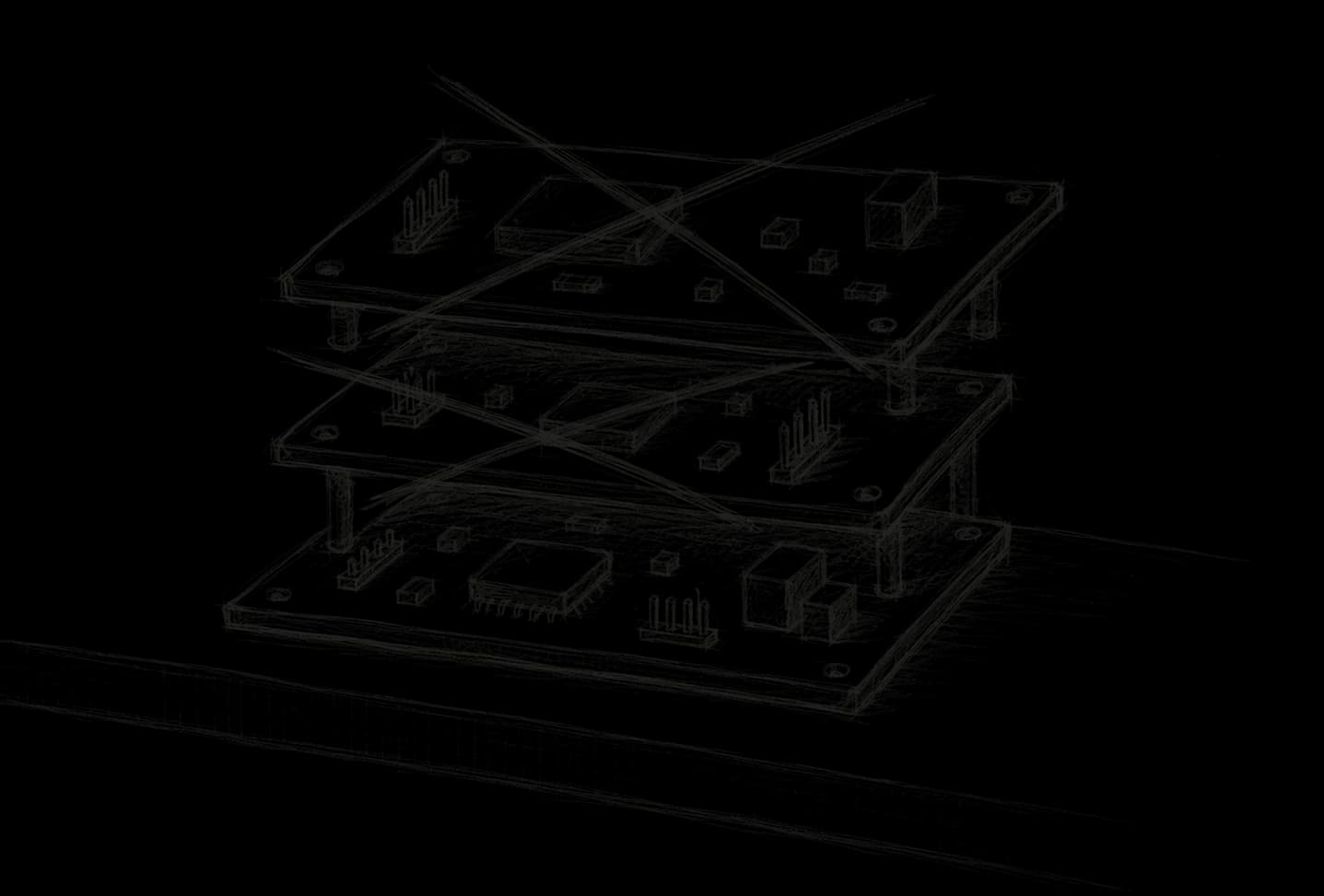 rev Arev Brev C
This used to be the price of working with atoms. Some of it still is. Copper does not care about your deadline.
But a surprising amount of the delay was never physics. It was factories that would not take a small order. Parts data hidden in PDFs. Tools designed for one engineer at one desk.
When those constraints loosen, the way people work should change too.
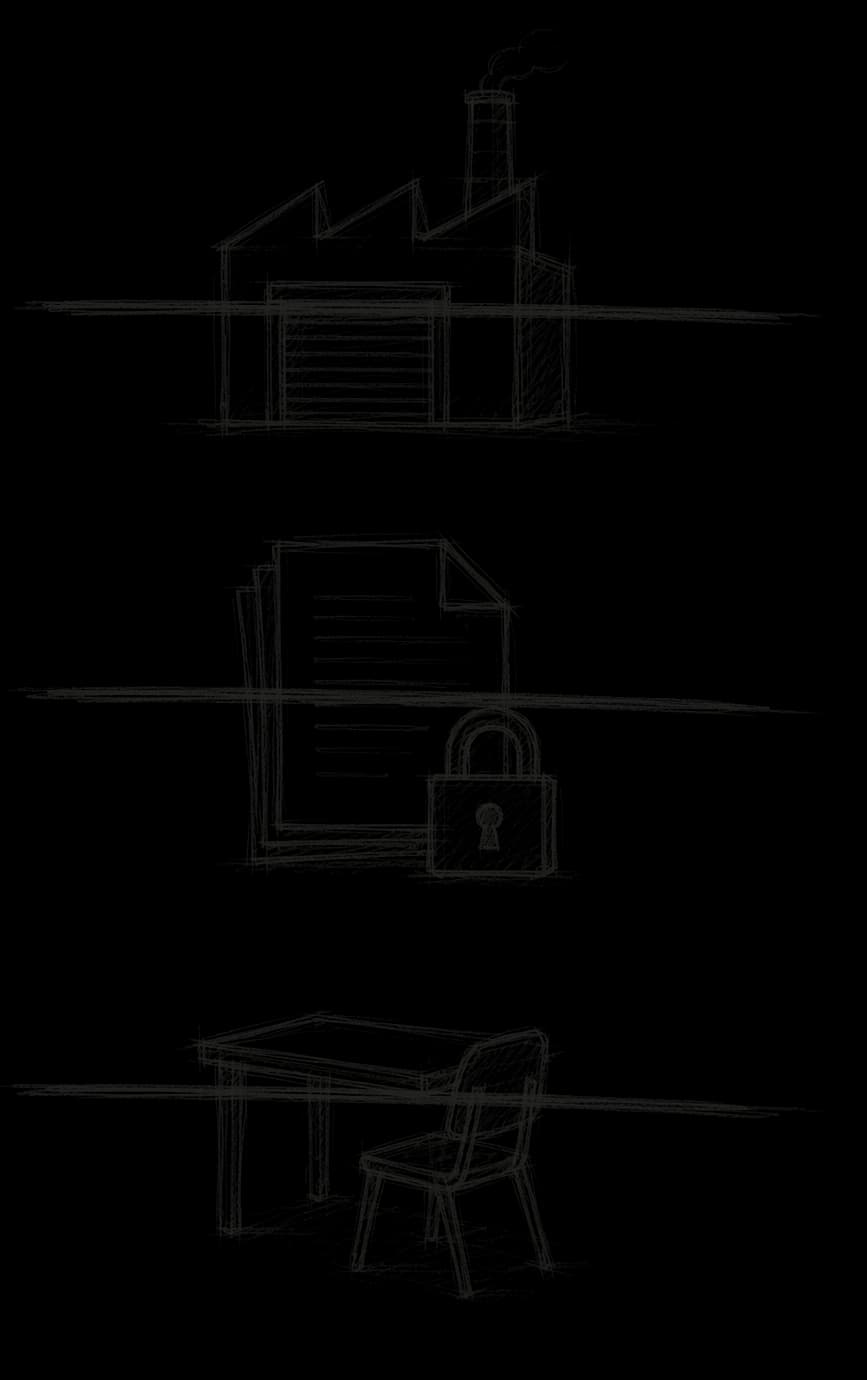 min. orderPDF onlyone desk
You can usually spot a field that is about to move. The cost of trying falls first. Then more people try. Then the tools that felt acceptable for thirty years begin to look strange.
On a small team, the strangeness is obvious. The design lives on one laptop. Reviews happen over screenshots, or a zip somebody sends around and hopes is current. Two engineers on the same board still ask each other which revision they have open.
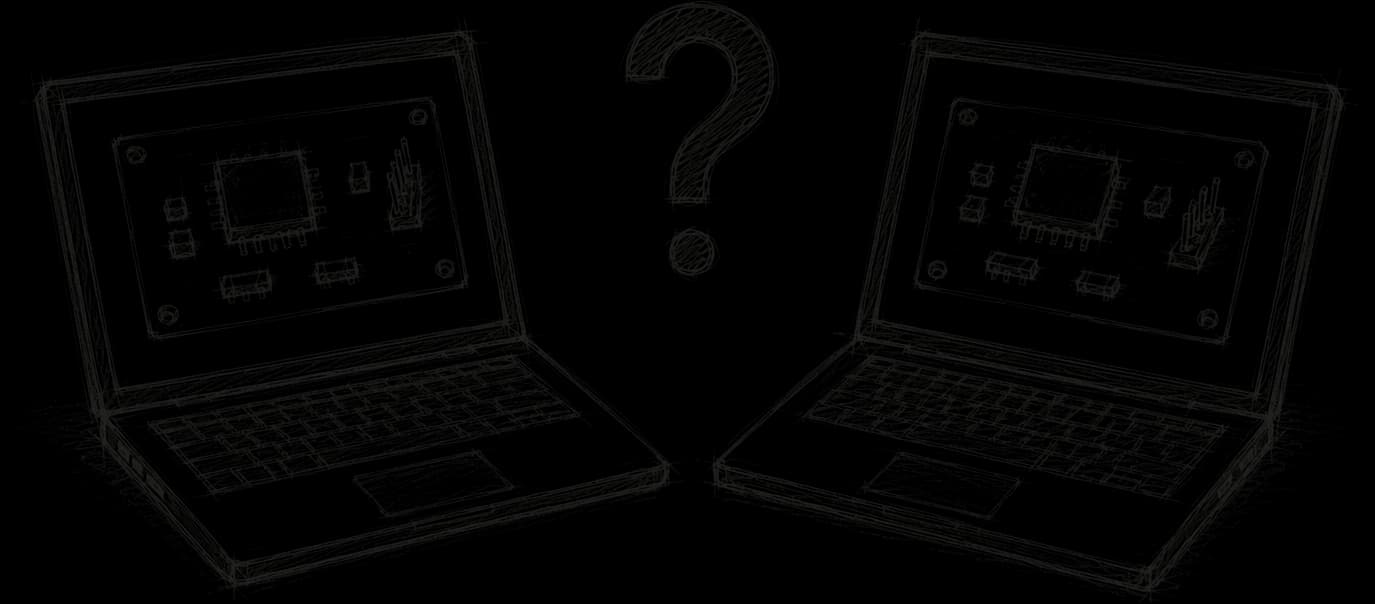 rev 7rev 9
Software teams solved this so long ago that new programmers barely know there was a problem. They expect the work to have a place: history, discussion, changes, decisions.
Hardware teams never got that place. They got better drawing tools.
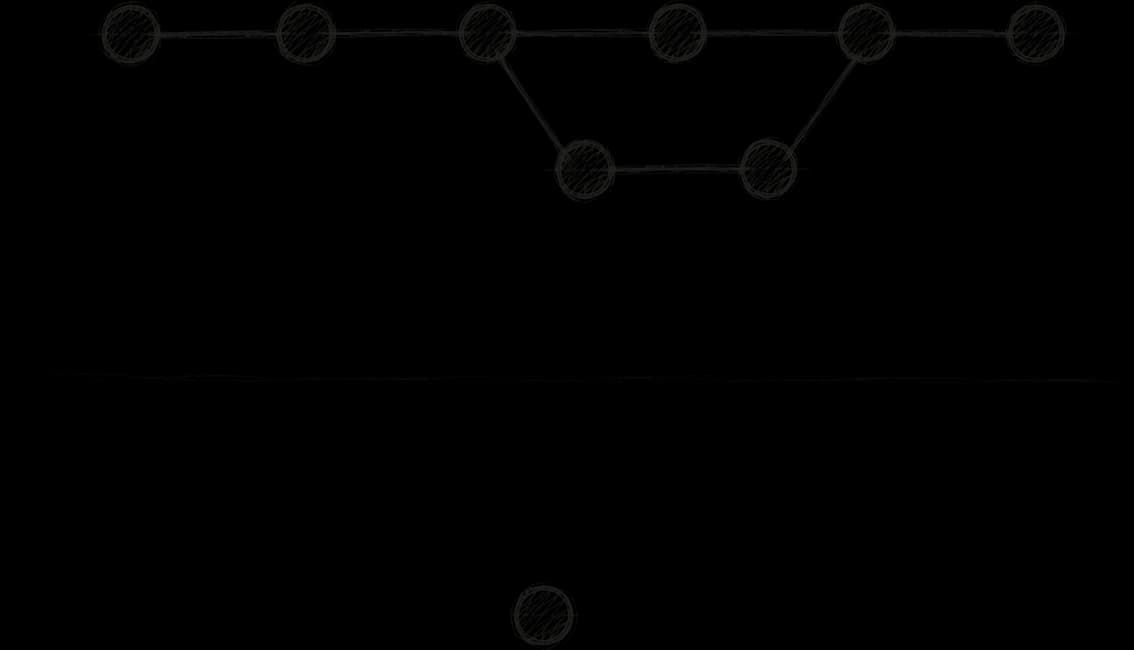 softwarehardware← just the file
We are not building another way to draw a schematic. The existing tools can do that. We are building the place around them, where a design can be shared, argued over, and moved forward by more than one person at a time.
AI is useful here. It can read the boring parts, check the tedious parts, and keep context that teams currently carry in their heads. We will use it wherever it saves an engineer an afternoon.
But Flintt is not about replacing engineers. It is about giving them a better place to work together.
BoardRepo is our first step.